
Key Takeaways
- Start your land search by identifying your preferred location, acreage, privacy, and lifestyle priorities.
- Establish a total construction budget that includes land, site preparation, utilities, and your new home.
- Use online land listings, experienced real estate agents, and local resources to find available properties.
- Investigate zoning, soil conditions, utilities, road access, and other requirements before purchasing land.
- Consider your preferred floor plan when evaluating a property's size, slope, and buildable area.
- Consult a custom homebuilder before purchasing land to better understand construction possibilities and potential expenses.
How to Find Land for Building a Custom Home
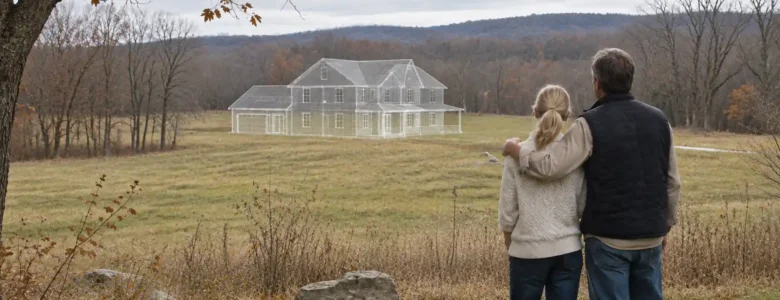
Finding the right piece of land is an exciting first step toward building your dream home. Whether you envision a wooded property with plenty of privacy, a few acres in the country, or a quiet residential lot, your choice of land will influence everything from your home's design to your overall construction budget.
If you're searching for land to build a custom home in Greater Cincinnati or Northern Kentucky, it's important to look beyond the property's appearance and asking price.
The best approach is to establish your priorities, understand the total cost of building, research potential properties, and investigate construction requirements before committing to a purchase.
1. Identify What You Want in a Building Lot
Before searching land listings, consider how you want to live in your new home.
Ask yourself:
- Would you prefer several acres in a rural setting or a smaller residential lot?
- How important are wooded surroundings, privacy, and scenic views?
- Which communities or school districts interest you?
- What commute times would be comfortable?
- Do you want room for a swimming pool, garden, detached garage, or future outbuilding?
- Would you prefer a level property or a sloping lot suitable for a walkout basement?
Separating your must-haves from your preferences will make it easier to evaluate available properties.
2. Understand the Total Cost of Buying Land and Building a Home
One of the most important considerations when purchasing land is understanding that the asking price represents only part of your investment.
Your total project budget should account for three major expenses:
- Land purchase: The cost of acquiring the property.
- Site preparation: Expenses associated with clearing, grading, excavation, driveway construction, utility connections, and septic installation when required.
- Home construction: The cost of building your home, including the floor plan, finishes, and personalized features.
A lower-priced property may require extensive site preparation, while a more expensive lot with utilities nearby could ultimately be more economical.
Our recommendation: Speak with a homebuilder and construction lender early in your search. Understanding the complete project budget helps establish a realistic price range for purchasing land.
3. Where to Find Land for Sale in Greater Cincinnati and Northern Kentucky
There are several effective ways to locate land suitable for residential construction.
Search Online Land Listings
Popular real estate websites provide a convenient starting point:
- Zillow: Search vacant land by location, price, and acreage.
- Realtor.com: Explore residential building lots and available land.
- LandWatch: Browse rural properties, acreage, and undeveloped land.
- LandSearch: Find vacant lots and larger parcels.
Consider setting up listing alerts so you can monitor new opportunities in your preferred areas.
Work With a Real Estate Agent Experienced in Land Sales
Purchasing vacant land involves considerations that differ from buying an existing home. An experienced land agent can help identify suitable properties, investigate restrictions, and evaluate local market conditions. They may also know about available land that has not been widely advertised.
Explore Your Preferred Communities
Drive through communities where you would like to live and look for vacant properties or land-for-sale signs.
Local real estate offices, county property records, and land auctions may provide additional opportunities.
4. Determine Whether the Land Is Suitable for Building
Not every attractive property is ready for residential construction. Before purchasing land, investigate these important factors:
- Zoning and restrictions: Confirm residential construction is permitted and review setbacks, easements, and deed restrictions.
- Water and sewer: Determine whether public utilities are available or whether a private well and septic system will be necessary.
- Soil conditions: Investigate soil suitability, particularly when septic installation requires testing and approval.
- Topography: Evaluate slopes, drainage conditions, and potential excavation challenges.
- Road access: Confirm legal access and determine whether a driveway entrance can be approved.
- Floodplain considerations: Check whether the proposed building area is affected by floodplain restrictions.
A property that looks ideal from the road may present unexpected challenges during construction planning.
Contact the appropriate county departments, utility providers, and qualified professionals to investigate these requirements before closing.
5. Consider Your Floor Plan Before Purchasing Land
You don't need finalized architectural plans before buying property. However, knowing the approximate size and style of your future home can help prevent costly compromises.
For example, a spacious ranch-style home generally requires a larger building footprint than a two-story home with comparable square footage.
A gently sloping lot may provide opportunities for a walkout basement, while a level property might better accommodate certain single-story designs.
Consider how the home will be positioned, including:
- Driveway location and access
- Outdoor living areas and backyard space
- Sunlight and scenic views
- Space for future improvements
The ideal property should accommodate your preferred home design rather than force significant changes to it.
6. Account for the Hidden Costs of Rural Land
Rural properties offer attractive benefits, including privacy, open space, and flexibility. However, developing an undeveloped parcel can involve additional expenses.
Potential costs include:
- Extending electrical service
- Installing a well or connecting to public water
- Designing and installing a septic system
- Clearing trees and preparing the building area
- Constructing a driveway or culvert
- Managing drainage and grading
- Obtaining permits and approvals
These expenses vary significantly between properties. Investigating them early helps you compare the actual cost of different building sites.
7. Talk to a Custom Homebuilder Before Buying Land
You do not need to own property before speaking with a custom homebuilder. In fact, involving a builder during your search can help you understand whether a particular lot is appropriate for the home you envision.
A builder experienced with privately owned land can help you explore floor plan possibilities, identify construction considerations, and determine when additional evaluations may be necessary.
Surveyors, engineers, septic designers, or local building authorities may need to evaluate certain conditions before construction can proceed.
8. Protect Your Investment Before Closing
Once you've found a promising property, work with your real estate agent to determine which purchase contingencies may be appropriate.
Depending on the property, important considerations may include:
- Property boundary verification
- Zoning and building approvals
- Soil suitability and septic approval
- Utility availability and connection costs
- Legal access and driveway requirements
- Financing conditions
Allowing sufficient time for due diligence can help protect your investment. Remember to remain flexible. Sometimes a smaller lot with fewer development challenges offers better overall value than a larger, more complicated property.
Start Planning Your Custom Home in Greater Cincinnati or Northern Kentucky
The right land provides the foundation for a home that fits your lifestyle, preferences, and budget. Zeilman-James Homes specializes in building affordable custom homes on privately owned land throughout Greater Cincinnati and Northern Kentucky.
Whether you've already purchased property or are beginning your search, we can help you explore floor plans, understand construction considerations, and evaluate options for your future home. Choose from our thoughtfully designed floor plans and personalize them to suit your needs, or bring your own custom plans.
Thinking about purchasing land to build your dream home? Contact Zeilman-James Homes to request a consultation and start planning your new home with greater confidence.