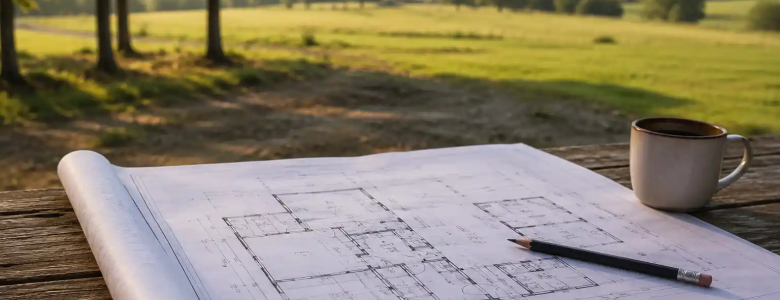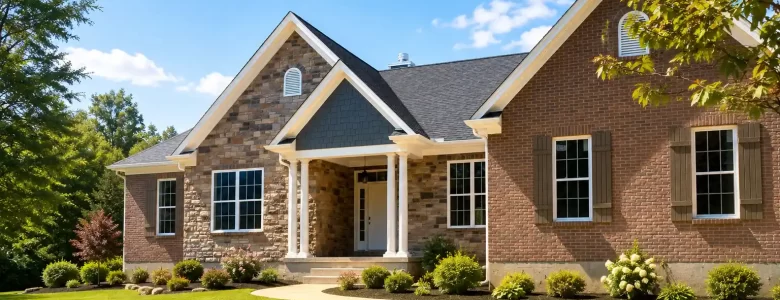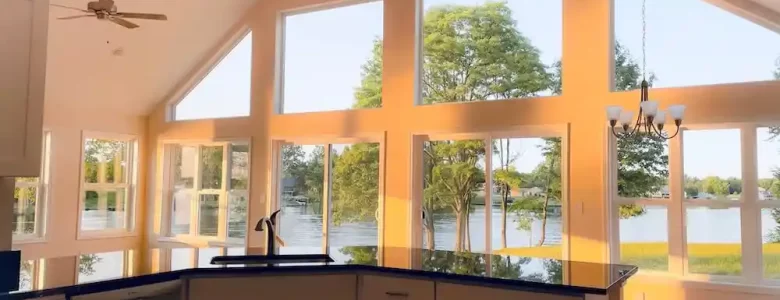

Choosing the right builder starts with asking the right questions. Learn what to ask about pricing, timelines, warranties, customization options, and site preparation before signing a new home construction contract.
Read More...
Choosing the right builder starts with asking the right questions. Learn what to ask about pricing, timelines, warranties, customization options, and site preparation before signing a new home construction contract.
Read More...
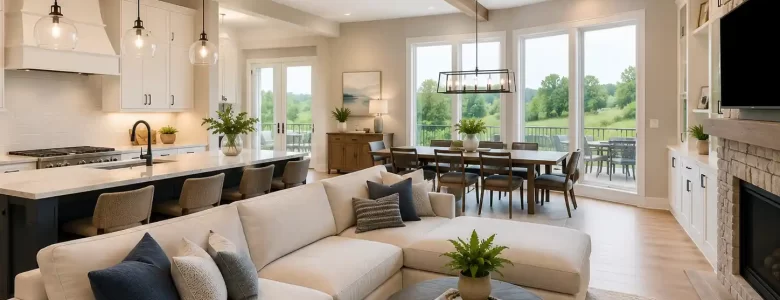
Open-concept floor plans offer flexibility, connection, and room to grow. Explore practical ideas for defining spaces, improving functionality, adding storage, and creating a home that reflects the way your family lives.
Read More...
“Multigenerational living” has quickly become one of the biggest trends in housing, real estate, and home design. But for many people, the term still feels vague. Does it mean grandparents moving in? Adult children living at home longer? A home with two kitchens? Or simply families staying closer together?
Read More...
When people start planning a custom home, conversations often focus on square footage, layouts, and resale value. While those considerations matter, many homeowners are increasingly focused on something else: creating a home that feels personal.
Read More...
If you are wondering whether it is better to build on your own lot or in a subdivision, the clearest answer is this: on-your-lot building is usually better for families who want more space, more customization, and more control, while subdivision building is usually better for families who want a faster, simpler path to move-in. The better choice depends on whether your family values flexibility or convenience more.
Read More...
A construction loan is designed to fund the building of a new home, while a traditional mortgage is used to buy or refinance a home that is already complete. The biggest differences are how the money is released, how payments work, how long the loan lasts, and what the lender must review before approval.
Read More...
If you’re planning to build on your land, your all-in budget is the total you can comfortably fund for land, site work, and the home itself — and the fastest way to pin that number down is to secure lender pre-approval right away. A lender’s letter helps define what they’re generally willing to lend based on their process, which can prevent expensive surprises once you’re deep into design, permits, or site prep.
Read More...
Yes— you can often build a custom home using your own floor plan, as long as you have the right to use it and it can be made permit-ready for your specific lot. At Zeilman-James Homes, “Our Plan or Yours” is how we work: you bring the design freedom and architectural uniqueness; we help turn it into a buildable, long-term functional home that fits your lifestyle, priorities, and future needs.
Read More...
If you are comparing custom home builders, focus on three things: proven reputation, clear processes, and true all-in pricing. The right questions up front will help you avoid surprise costs, schedule slips, and frustrating communication issues later. That is exactly why we actively encourage you to compare us with other on-your-lot builders.
Read More...
If you have raw land and are asking “What steps do I take before building a house on my land?”, this checklist walks you from budget and zoning through land preparation, percolation tests, utilities, and foundations so you can move from empty acreage to a build-ready homesite with fewer surprises.
Read More...