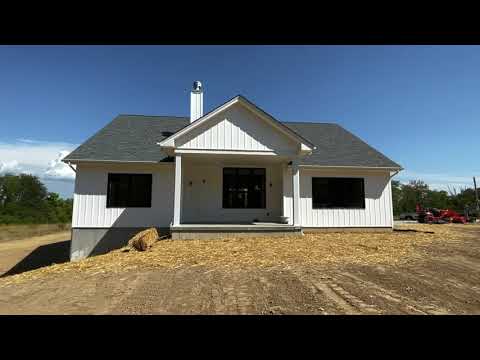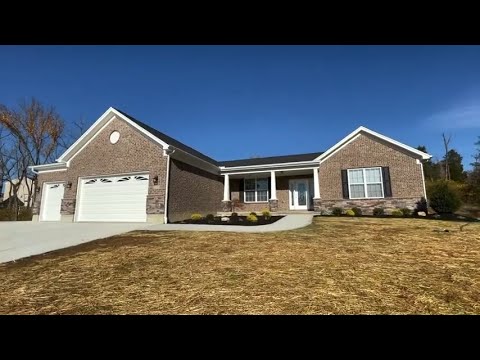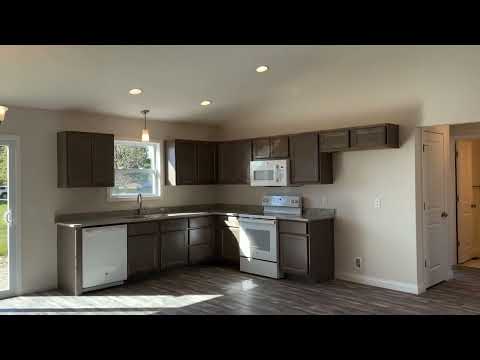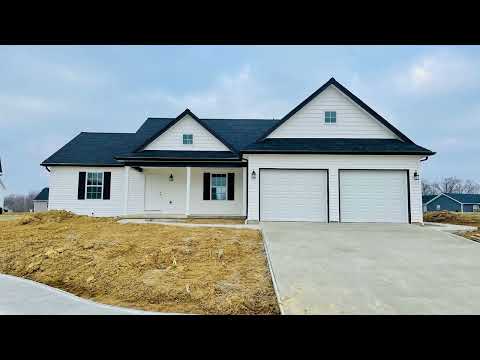
Adams County is a predominantly rural, unglaciated “Appalachian foothills” county where buildability is driven as much by the site as by the house. Many home sites feature rolling-to-steep grades and shallow bedrock conditions (common in limestone/shale terrain). Plan early for driveway geometry (grade, sight distance, winter traction), cut/fill needs, and a foundation approach that matches the slope—walkout basements and stepped footers are common solutions when topography dictates.
Wastewater is often the gating item on acreage parcels. Expect most new builds outside villages to require a septic system designed to local soil and slope constraints; percolation/soil evaluation and designated reserve areas are typically part of the conversation. Where public water is unavailable, wells are common; where it is available, confirm main-line proximity, tap fees, and pressure. Electric service frequently involves longer runs in rural corridors, so route planning and transformer placement should be coordinated early.
Flood risk is a real siting factor in the Ohio River corridor and along major creeks and valleys (including the Brush Creek watershed). If a parcel touches a mapped floodplain, anticipate additional reviews and elevation/drainage requirements that can affect finished-floor heights, crawlspace/basement decisions, and site grading.
From a lifestyle and access perspective, State Route 32 is the county’s key east–west spine for regional connectivity, while river communities and smaller villages tend to have different utility availability, inspection pathways, and lot constraints than unincorporated tracts. Zoning can also vary by township/municipality, so verifying the applicable jurisdiction up front prevents late-stage plan changes.
Ready to explore building here? Use our contact form to tell us about your land, preferred plan, and timeline, and we’ll follow up with the next practical steps.